

The Intern Diaries – Notes on exhibition spaces
Throughout my studies in curatorship, I’ve become well-versed in the theoretical aspects of exhibition design, activation of heritage spaces, and the balance between curatorial visions and the practical constraints of exhibition making.
However, it’s during this internship that I’m getting the chance to see these ideas in practice, and start to incorporate them into my own work!
While working on exhibition ideas for the 2027 Biennale, the challenges of working with heritage buildings have been a recurring theme. So have been audience engagement, the activation of spaces which aren’t traditionally used to display contemporary art, and the increasing need for audience immersion and interactivity to make art more accessible, relatable, and memorable for audiences of all ages.
So, in the last few weeks, I’ve been heading out to visit all sorts of venues – in Ballarat and beyond – to gather inspiration for the Biennale.
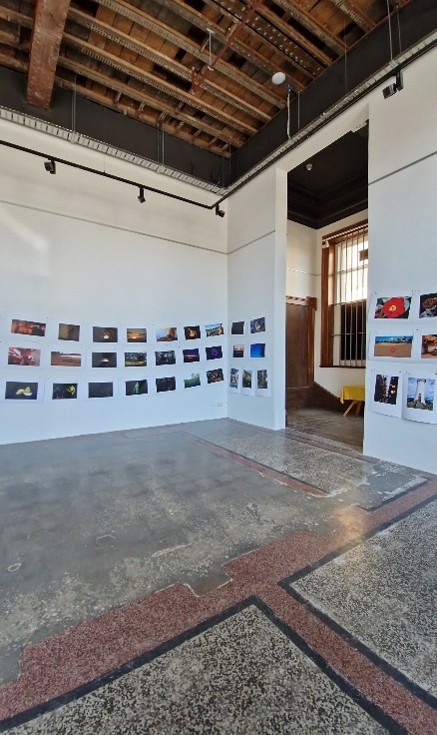
While the Ballarat Youth Photography Prize exhibition made use of the expansive walls through a salon-style hang, many of the spaces featured in previous Biennales offer different opportunities and considerations for displaying artworks.
Temporary walls and free-standing, noticeboard-style constructions are all great alternatives, as are ceiling-suspended frames (all used last year in exhibitions of the works of Robert Mapplethorpe, Catherine Leroy, and Campbell Addy, respectively). But what about other parts of a room which could be activated?
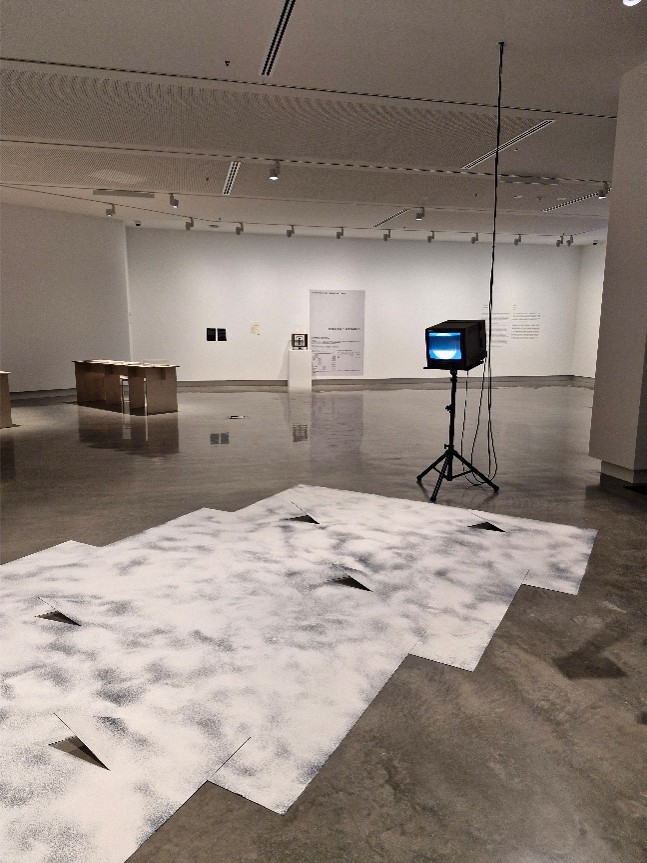
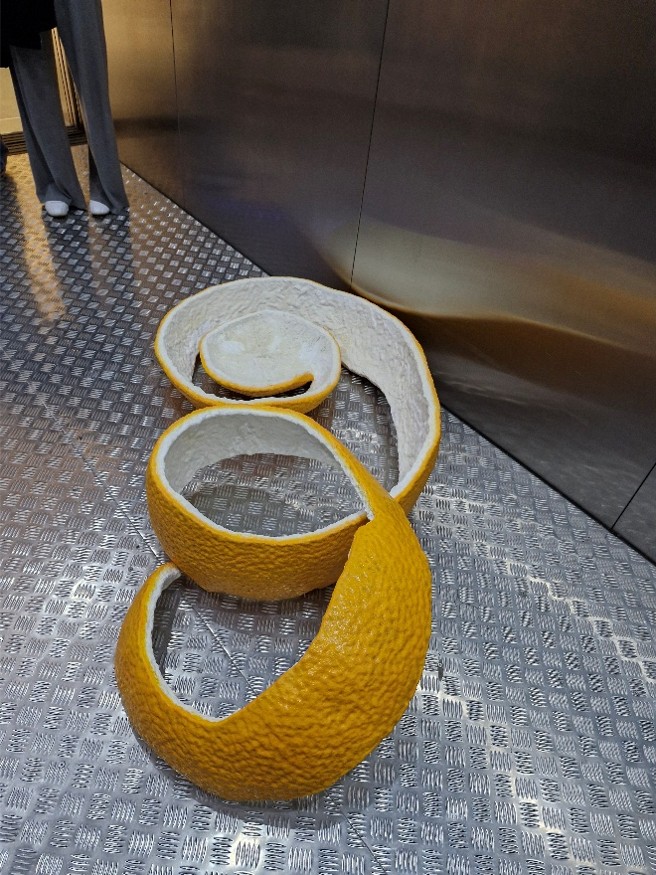
I took these photographs during a recent visit to Buxton Contemporary, and they got me thinking about the possibilities for displaying artworks beyond the traditional gallery wall. While a sojourn on the gallery floor might be ill-advised for framed photographic works (or at least provoke a shudder from any passing art conservator), these works prompted me to consider how unconventional display strategies might open up new ways of engaging with photography.
Working with contemporary art, particularly in collaboration with living artists, offers opportunities to explore these possibilities while remaining responsive to the artist’s intentions and the practical considerations of presenting and caring for their work. In venues with limited wall space, or where walls cannot be altered, every available surface becomes an opportunity to think creatively. Depending on the work, displays on the floor, ceiling, or even within an elevator could offer playful and unexpected ways to encounter photography, inviting audiences to engage with artworks in new contexts.
Unique artwork displays can transform a traditional gallery viewing experience into a treasure hunt – something which encourages a new way of engaging, and encourages the viewer to go on a journey (physically, as well as emotionally!).
While perusing images from past BIFB exhibitions, I’ve noticed that Ballarat Foto already plays into this, with art popping up on the street, in shop fronts, in local businesses, or on temporary frames and scaffolding in unexpected public spaces, creating a hybrid of art trail and immersive, city-wide installation. So, I’ve had this concept in the back of my mind while investigating venues for next year’s festival and researching potential exhibitions.
In an era shaped by Instagrammable blockbuster exhibitions and immersive installations, from Yayoi Kusama’s mirror rooms to the large-scale projections by LUME, audiences appear increasingly drawn to exhibitions that invite participation, encourage exploration, and offer an embodied experience of art. Biennales, with their emphasis on scale, experimentation and engagement across multiple spaces, are particularly well placed to explore these possibilities. How might we build on this appetite for immersive experiences while creating meaningful opportunities for audiences, particularly younger visitors, to connect with photography in new and unexpected ways?
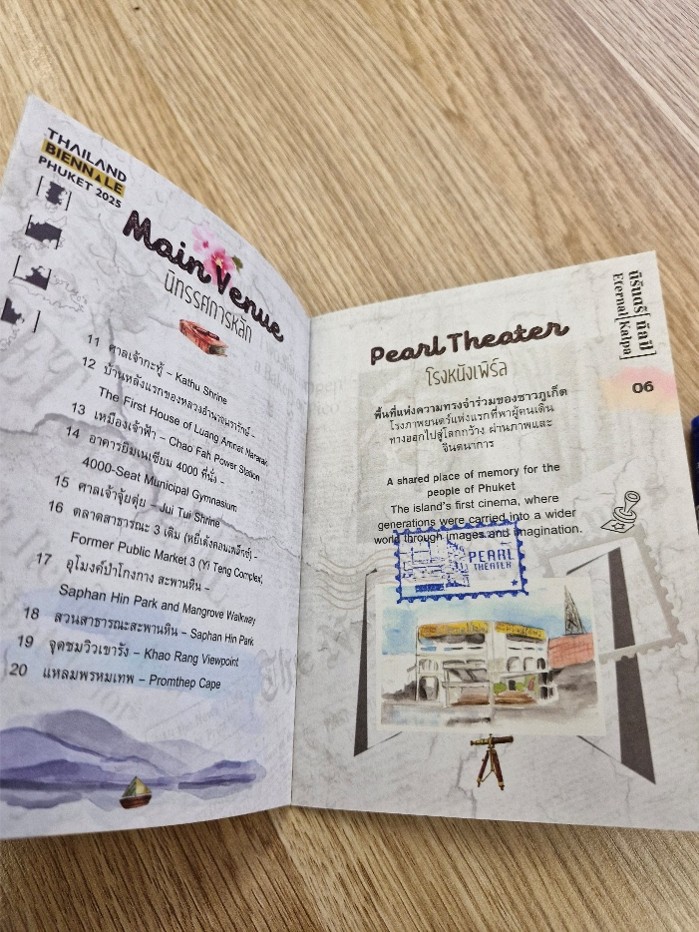
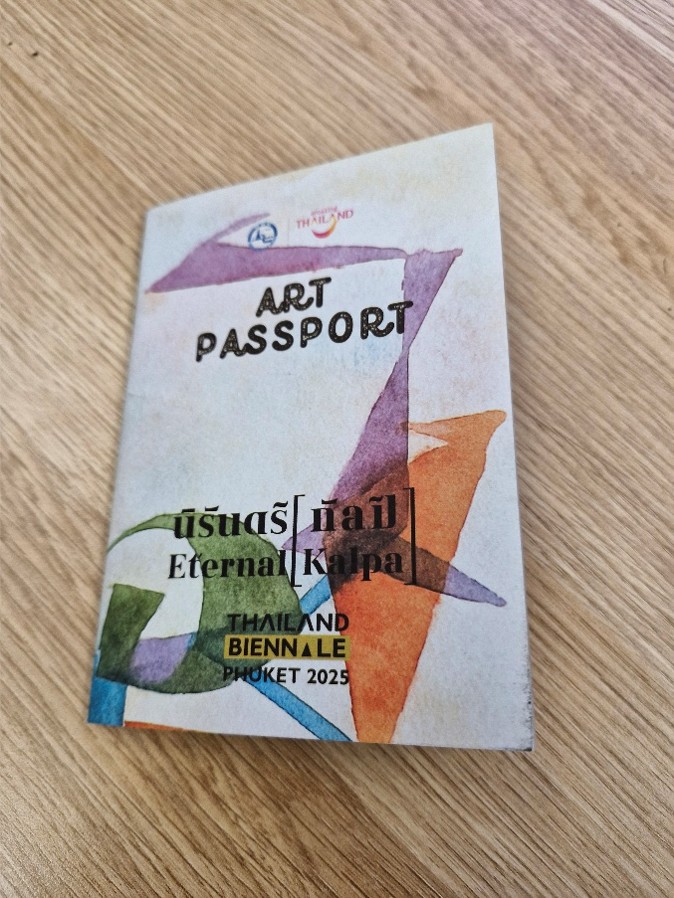
One discussion at uni about art trails and art passports at international art Biennales (such as in these photos) has also given me some food for thought on how to bring unique interactive experiences to Ballarat – no spoilers yet, but the 2027 BIFB will definitely bring some fun immersive elements to life, so stay tuned!
Theodora
Main image: Theodora, photo by Nicolas Dunn
Images: courtesy of Theodora.