

Interview with Michaela Ottone, GradFoto 2025 Highly Commended Finalist
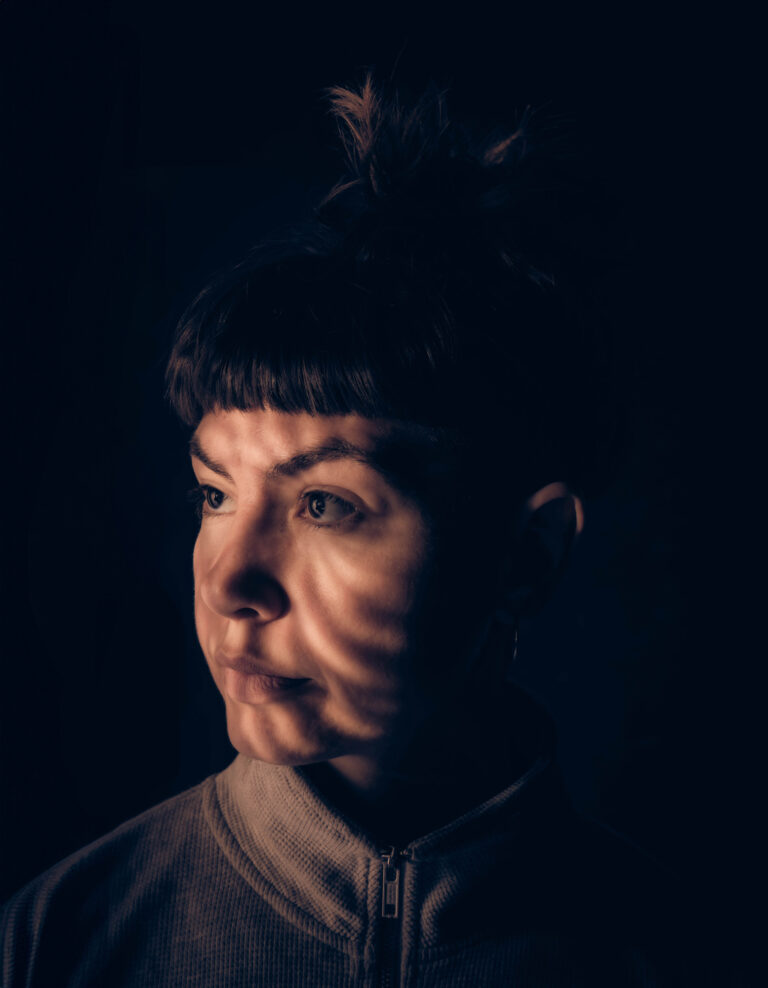
Curatorial Intern Theodora Pantelich spoke with 2025 GradFoto Highly Commended finalist Michaela Ottone about their photobook Thank you for letting me be myself. Drawing on a 14-year photographic archive, the project reflects on the artist’s experience as an AuDHD person, and the loved ones who support them.
Theodora Pantelich: In your project Thank you for letting me be myself, you document the network of family and friends who have supported you during your life, particularly following being identified as AuDHD. How has your lived experience as a neurodivergent person influenced your creative practice, whether in this particular project or others?
Michaela Ottone: My neurodivergence means I become completely fixated or ‘hyper-focused’ on my creative projects, and I’ll struggle to maintain other parts of my life simultaneously. Starting a task is also difficult, but once I start I’m usually fine. I think my social anxiety and difficulty reading social cues, both of which are common neurodivergent traits, may influence my obsession to document the relationships and moments that I appreciate with others.
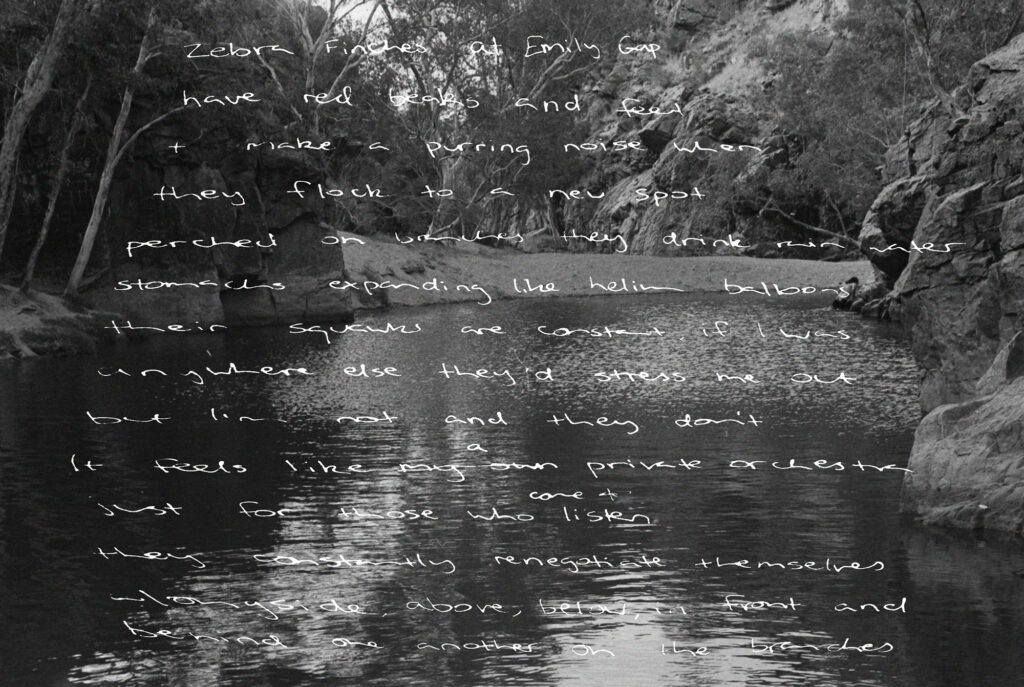
Specifically related to this project, my experience of sensory overwhelm informed the decision to include collages as a way of creating a sense of visual overwhelm for the viewer. I began by getting people to handwrite a response to their chosen images, and I initially just placed the scan of their writing alongside their image. After sharing these initial experiments with my lecturers, I was encouraged to further combine the text and images, which led me to the final visual approach of adding a background image, and integrating the text deeper into the image (e.g. sometimes just having the text on top of the image, instead of also including the paper they’d written on).
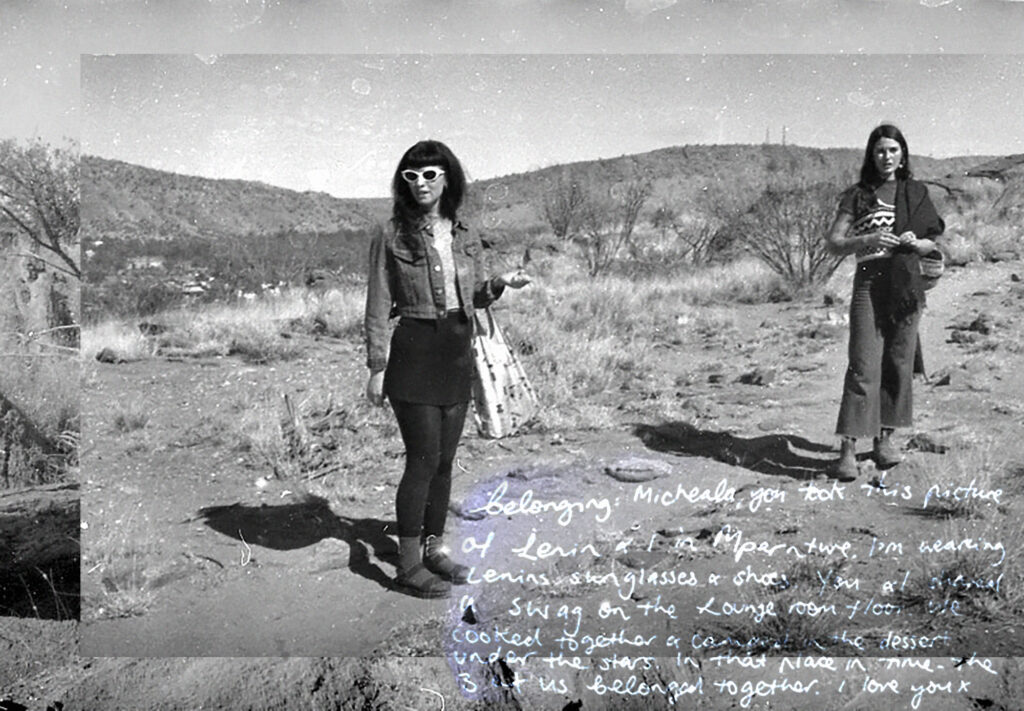
TP: This photobook includes digital collages with text responses from the friends and family you have photographed over the last 14 years. At what point did you conceive this mixture of candid snaps and more formal portraiture as one cohesive volume?
MO: Last year, which is the year the images for the book were collated. I have a huge archive that I’ve wanted to draw from and revive. I thought doing a project on it while still at uni, where I could get the most support from my lecturers, would be a good time to do it.
I have a huge archive that I’ve wanted to draw from and revive. I thought doing a project on it while still at uni, where I could get the most support from my lecturers, would be a good time to do it.
TP: You’ve previously said that you’ve utilised collage in this collection in order to create visual overwhelm for viewers, thus echoing the sensory overwhelm which has been a part of your experience as a neurodivergent person. Is this a visual strategy you might work with again? Why/why not?
MO: I’ve been indecisive about continuing the collaborative collages… logistically, they’re very time consuming and require more screen time, which I’m not a huge fan of. I also think combining text and images is tricky, you don’t want one to overpower the other. It’s in the ‘maybe tbc project box’ at the moment.
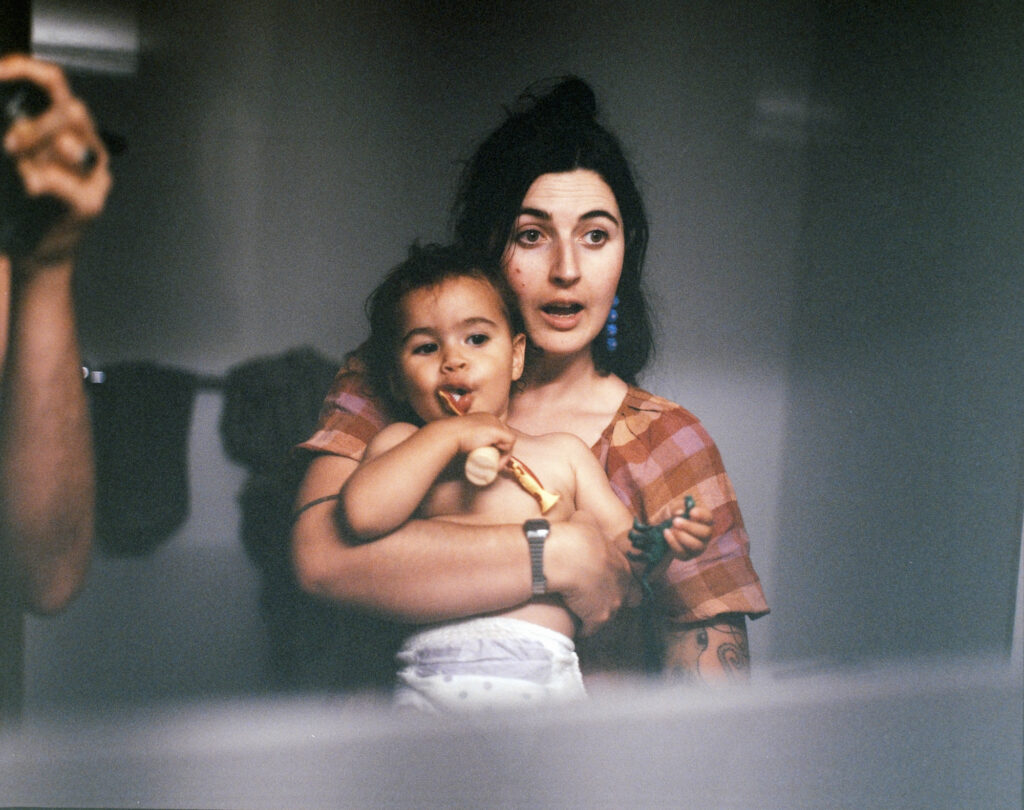
TP: These works also involve collaboration with your loved ones offering them the ‘chance to contribute to the work, provide a space for them to have more agency over their image, and disrupt the inherent power dynamic between photographers and their sitters’. What did this exchange look like in practice?
MO: For the collages, I went through my archive and chose images of each friend that spoke to the project’s main themes of community, identity and belonging and sent that person five of the images. I also asked them to respond to the image, or their memory of the image, in 1-2 sentences. They picked one and sent me a photo of their handwritten response, which I scanned and superimposed onto their image. As the project progressed, the prompt changed to reflect themes of community, identity and belonging. Finally, I added a background image that was geographically, thematically or visually related to the images that my collaborators responded to.
TP: Do you have any advice for emerging photographers considering submitting to GradFoto in 2026?
MO: Do it! GradFoto is a really supportive platform to get your work out there. I’d also always recommend showing someone else your image selection and any text before sending in an application (whether for GradFoto, or other competitions, grants, residencies, etc).