

Interview with Kevin Bernardin, GradFoto 2025 Highly Commended Finalist and People’s Choice Award Winner
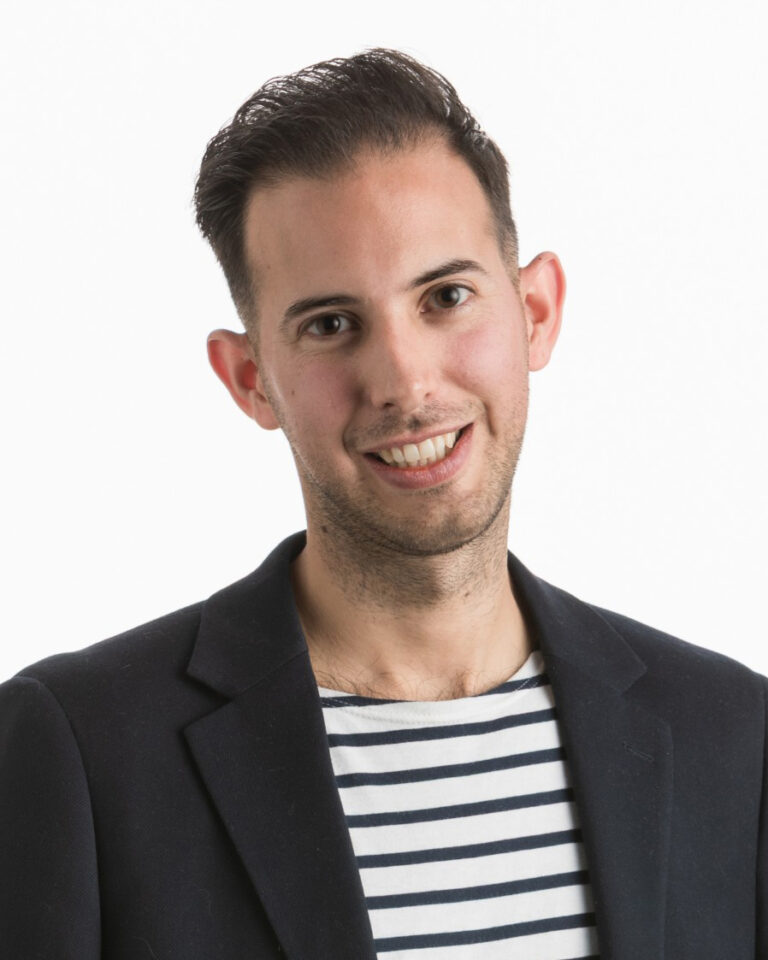
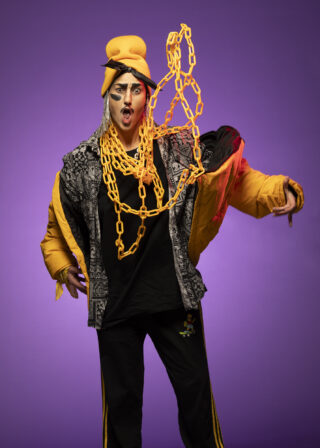
The Ballarat International Foto Biennale’s Curatorial Intern Theodora Pantelich spoke with 2025 GradFoto Highly Commended finalist and People’s Choice Award winner Kevin Bernardin about his documentary portrait series Before and After Drag, which explores the transformation from everyday identity to drag persona through three performers.
Theodora Pantelich: In your series Before and After Drag, you examine drag both as a medium for personal expression and for transformation from the mundane to the theatrical. How did this project originate, and how did it evolve throughout the creative process?
Kevin Bernardin: The project started from my interest in drag and the people I met through nightlife and queer communities. I was initially inspired by the television competition RuPaul’s Drag Race, which introduced me to the creativity, performance and individuality of drag. But my interest really grew through meeting drag queens and kings in clubs in Paris, Montreal, Brighton in the UK, and Melbourne, where I’ve lived for the past seven years.
I’ve always enjoyed documenting people, their personalities and their creativity, so I became interested in photographing these performers both in and out of drag. At first, I was mainly interested in the transformation itself, but as I continued working on the project, I became more interested in the relationship between the two images.
I wanted to show that the person behind the drag is just as expressive and interesting as their drag persona. The project gradually became less about showing a simple transformation and more about showing two different sides of the same person.
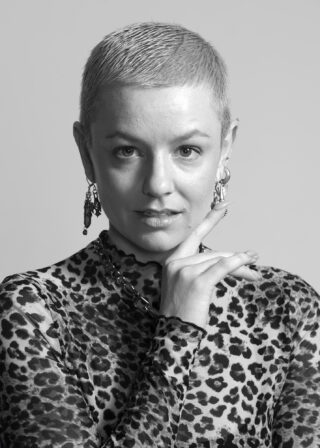
TP: While each pair of photographs consists of a black-and-white “before” and a colourful “after” image, the black-and-white images nevertheless depict attitudes of joy and ease in the performers while out of drag. Was it important to you that both versions of your subject should exhibit confidence in themselves, rather than the full drag pose appearing as the completed version of a less assured everyday appearance?
KB: Yes, definitely. I didn’t want the project to give the impression that drag transforms someone from an ordinary or less confident person into a more complete version of themselves.
For me, both sides are equally authentic. Someone can be confident, joyful and expressive without being in drag, and then express another part of themselves through their drag persona.
The “after” isn’t necessarily a better or more complete version of the “before”. It’s just another expression of the same person. That was really important to me when photographing the series.
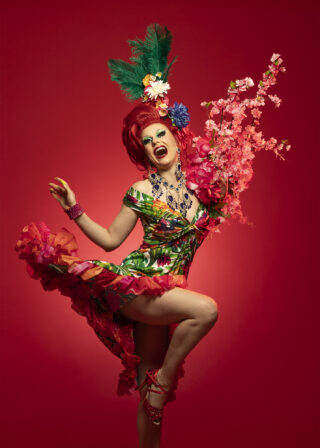
TP: The fluidity of identities within the life of a drag performer emerges as a key theme within the photographs. As an artist yourself, how has fluidity in self-expression, or a sense of multiple expressions of self, been a part of your personal or artistic life?
KB: Living in different countries has really shaped the way I see identity and self-expression. Each place has introduced me to different people, cultures, and communities, and has influenced how I understand and express myself.
Through photography, I’ve become interested in documenting the different sides of people and how someone’s identity can change depending on their environment, while still feeling completely authentic.
I think everyone has different sides to themselves. Drag just makes that idea particularly visible because you can literally see someone transform and express a different part of who they are.
You don’t necessarily need to know exactly where a project is going when you start. Sometimes the strongest work comes from following something that fascinates you.
TP: How did you come to focus on drag, nightlife, and festivals within your broader practice?
KB: It happened quite naturally through the people and communities I’ve encountered throughout my life. I’ve always been drawn to nightlife because it creates spaces where people can express themselves freely and creatively.
After living in different cities and experiencing different queer and nightlife communities, I started photographing the people I met because I wanted to document their lives and creativity. From there, my interest naturally expanded into drag, nightlife and festivals more broadly.
What interests me most is really the people within these environments — their personalities, costumes, relationships and the worlds they create around themselves.
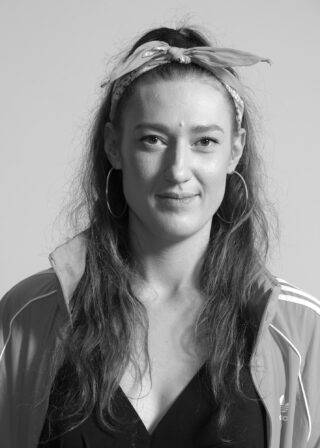
TP: To what extent did the concept of the performativity of gender inform the series, beyond your broader examination of costume and theatricality as modes of self-expression?
KB: The idea of gender performativity definitely influenced the project, although I didn’t approach it from a purely theoretical perspective.
Drag makes you think about how much of gender is communicated through things like clothing, makeup, posture, movement and performance. It creates this interesting space between what we see as everyday identity and something more theatrical.
For me, the project isn’t really about defining gender. It’s more about celebrating the freedom to experiment with it and to express different sides of yourself.
TP: Do you have any advice for emerging photographers considering submitting to GradFoto in 2026?
KB: My main advice would be to photograph something you care about. Don’t try to make work just because you think it’s what a competition or jury wants to see.
For me, Before and After Drag came from an interest in the people and communities I had encountered. It developed naturally through meeting performers, building relationships and becoming more interested in how photography could show different aspects of their identities.
I’d also encourage emerging photographers to keep meeting people, experimenting and letting their projects evolve. You don’t necessarily need to know exactly where a project is going when you start. Sometimes the strongest work comes from following something that fascinates you.