


GradFoto 2025 Gallery

Award Winner – Minh An Pham
Rồi một ngày con sẽ mất – Someday I will lose you, 2025
The GradFoto 2025 prize of $1,000 is awarded to graduate Minh An Pham from RMIT University for his series Rồi một ngày con sẽ mất – Someday I will lose you.
Daniella Zalcman said, ‘This work is so poignant and soulful — and I think relatable to anyone who has moved far from home. The visual voice is very strong here, giving us ethereal little glimpses into the photographer’s home and the tenderness he feels for his mother. I love the use of color and textile and the natural world, and the way that it feels like we’re drifting in and out of public and private scenes of familial life.’
In 2017, at the age of 15, I began studying abroad in Australia. With my immature thoughts at the time, I never imagined that life would take me so far from my family for so long. The project is my way of chronicling the life of my mom during the times I went back home. I have come to understand my mom more deeply, not only through the photographs but also through the time we spent together. I reflected on my family’s past, on our losses and pains, on my late father, and on the great sacrifices of a single mother who worked tirelessly to raise me and my brother alone.
Dear Mom, I hope you will always be healthy and stay by my side. I have only one wish: that we can be together for the rest of my life. In this life, I can never fully repay everything you have done for me, but I hope that in the next life, I will still be your child.
Minh An Pham
Rồi một ngày con sẽ mất – Someday I will lose you, 2025

Minh An Pham
Rồi một ngày con sẽ mất – Someday I will lose you, 2025

Minh An Pham
Rồi một ngày con sẽ mất – Someday I will lose you, 2025

Minh An Pham
Rồi một ngày con sẽ mất – Someday I will lose you, 2025

Minh An Pham
Rồi một ngày con sẽ mất – Someday I will lose you, 2025

Minh An Pham
Rồi một ngày con sẽ mất – Someday I will lose you, 2025

Minh An Pham
Rồi một ngày con sẽ mất – Someday I will lose you, 2025

Minh An Pham
Rồi một ngày con sẽ mất – Someday I will lose you, 2025

Minh An Pham
Rồi một ngày con sẽ mất – Someday I will lose you, 2025

Minh An Pham
Rồi một ngày con sẽ mất – Someday I will lose you, 2025

Minh An Pham
Rồi một ngày con sẽ mất – Someday I will lose you, 2025

Minh An Pham
Rồi một ngày con sẽ mất – Someday I will lose you, 2025

Minh An Pham
Rồi một ngày con sẽ mất – Someday I will lose you, 2025

Minh An Pham
Rồi một ngày con sẽ mất – Someday I will lose you, 2025

Minh An Pham
Rồi một ngày con sẽ mất – Someday I will lose you, 2025

Minh An Pham
Rồi một ngày con sẽ mất – Someday I will lose you, 2025

Minh An Pham
Rồi một ngày con sẽ mất – Someday I will lose you, 2025

Minh An Pham
Rồi một ngày con sẽ mất – Someday I will lose you, 2025

Minh An Pham
Rồi một ngày con sẽ mất – Someday I will lose you, 2025
Highly Commended – Angus Scott
Tending the Invasion, 2025
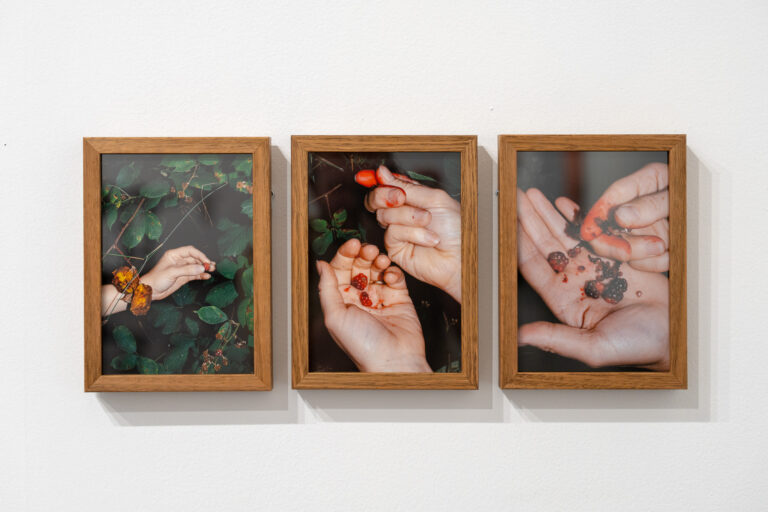
Daniella Zalcman said, ‘This was an equally clinical and beautiful approach to a largely ordinary story: the onslaught of an invasive plant and its relationship to the built and natural environment. The breadth of this work is impressive, and I was particularly blown away by the macro shot of what I assume is an invasive blackberry seed on a fingertip.’
Tending the Invasion approaches blackberry (Rubus fruticosus) as a site of ecological, colonial, and personal entanglement. Introduced by imperial botanists, blackberry has since spread beyond control, becoming vilified within the same systems that once encouraged its presence. Rather than framing the plant as a problem to be solved, I seek to approach it as a living presence shaped by histories of ecological imperialism and multispecies relations.
Grounded in revisitation to watercourses across Wurundjeri and Dja Dja Wurrung Country, I have sat with the question of what it means to tend to a place while being implicated in its disturbance. The photographs trace acts of violent-care, depicting conservation and scientific work, while lingering in the reality where protecting one species often requires harming another. Through this, I aim to explore how ecological tensions are entangled with colonial legacies, and how those legacies continue to inform practices of management, boundary-making, and ideas of belonging.
Acknowledging the complicity of the camera in such dichotomies, I have explored ways of seeing that stay with contradiction and proximity. I hope to open space for reflection on how we relate to blackberry, and what those relations might reveal about the values and histories shaping ecological thought.

Angus Scott
Tending the Invasion, 2025

Angus Scott
Tending the Invasion, 2025

Angus Scott
Tending the Invasion, 2025

Angus Scott
Tending the Invasion, 2025

Angus Scott
Tending the Invasion, 2025

Angus Scott
Tending the Invasion, 2025
Angus Scott
Tending the Invasion, 2025

Angus Scott
Tending the Invasion, 2025

Angus Scott
Tending the Invasion, 2025

Angus Scott
Tending the Invasion, 2025

Angus Scott
Tending the Invasion, 2025

Angus Scott
Tending the Invasion, 2025

Angus Scott
Tending the Invasion, 2025

Angus Scott
Tending the Invasion, 2025

Angus Scott
Tending the Invasion, 2025

Angus Scott
Tending the Invasion, 2025

Angus Scott
Tending the Invasion, 2025

Angus Scott
Tending the Invasion, 2025

Angus Scott
Tending the Invasion, 2025

Angus Scott
Tending the Invasion, 2025
Highly Commended – Daniela Rodriguez
Echoes of Elsewhere, 2025
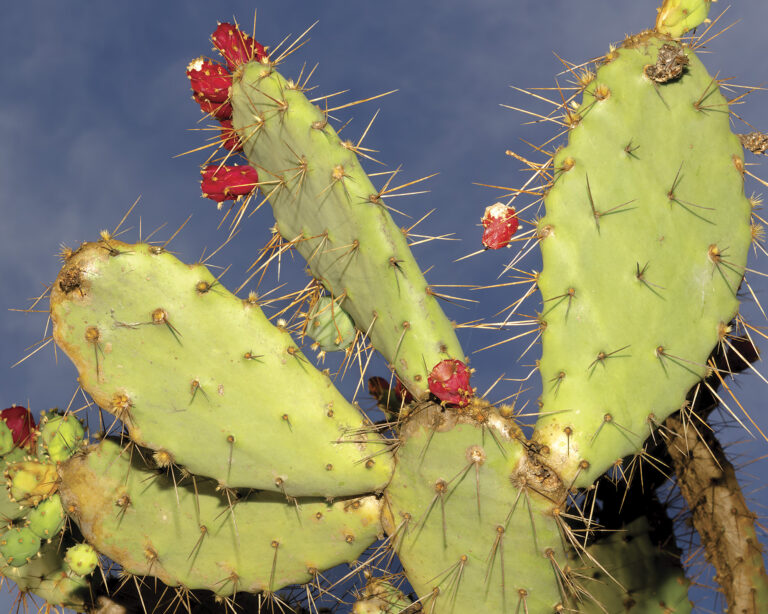
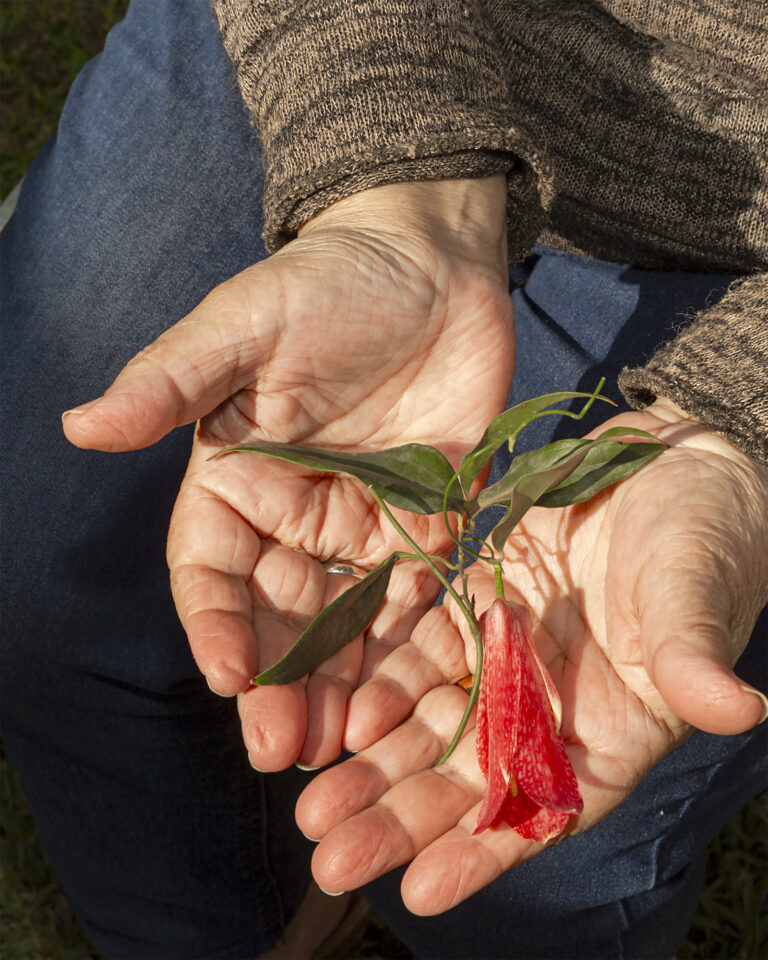
Daniella Zalcman said, ‘The notion of using photography as a tool for “resisting cultural erasure” is particularly powerful given photography’s origins as a colonial weapon: but Daniela’s work achieves this mission beautifully, through celebrations of food, dance, clothing, flora, and so many of the hallmarks of culture and identity.’
Echoes of Elsewhere explores the intersections of migration, memory, and cultural identity through photography, video, and installation. As a first-generation Chilean-Australian artist, I examine how belonging is formed and re-formed when cultural roots are displaced, and how image-making can serve as both resistance and remembrance.
The project began with a question: How can photography nurture a sense of belonging while resisting cultural erasure and assimilation? Growing up in 1980s Melbourne, I often felt the need to make myself invisible to avoid racist attention. Ralph Ellison’s words “I remember that I am invisible and walk softly so as not to awaken the sleeping ones” echo through this work as I seek to reverse that invisibility.
Drawing on feminist and transcultural frameworks, Echoes of Elsewhere examines how matriarchal memory, domestic space, and community sustain identity across displacement. Through still life, portraiture, and moving image, I reframe visibility not as exposure but as care—an ethical and relational encounter. Collaborating with family and community, the project transforms photography into a site of dialogue and continuity, reimagining diasporic identity as an act of tenderness, resistance, and becoming.

Daniela Rodriguez
Echoes of Elsewhere, 2025
Daniela Rodriguez
Echoes of Elsewhere, 2025

Daniela Rodriguez
Echoes of Elsewhere, 2025

Daniela Rodriguez
Echoes of Elsewhere, 2025

Daniela Rodriguez
Echoes of Elsewhere, 2025

Daniela Rodriguez
Echoes of Elsewhere, 2025
Daniela Rodriguez
Echoes of Elsewhere, 2025

Daniela Rodriguez
Echoes of Elsewhere, 2025

Daniela Rodriguez
Echoes of Elsewhere, 2025

Daniela Rodriguez
Echoes of Elsewhere, 2025

Daniela Rodriguez
Echoes of Elsewhere, 2025

Daniela Rodriguez
Echoes of Elsewhere, 2025

Daniela Rodriguez
Echoes of Elsewhere, 2025

Daniela Rodriguez
Echoes of Elsewhere, 2025

Daniela Rodriguez
Echoes of Elsewhere, 2025

Daniela Rodriguez
Echoes of Elsewhere, 2025

Daniela Rodriguez
Echoes of Elsewhere, 2025

Daniela Rodriguez
Echoes of Elsewhere, 2025

Daniela Rodriguez
Echoes of Elsewhere, 2025

Daniela Rodriguez
Echoes of Elsewhere, 2025
Highly Commended – Kevin Bernardin
Before and After Drag, 2025
Daniella Zalcman said, ‘I’ve seen many projects with a similar conceptual framework, but this one is particularly well executed—the transition from black and white to color gives us a Wizard of Oz-style transition into rowdy, colorful, joy (but I also appreciate that the black and white “before” photos are still warm and joyful, if much quieter).’
Before and After Drag is a documentary portrait series. It explores the transformation from everyday identity to drag persona through three performers, Ruby Slippers, Andii G and Roxy Rawhide. The project portrays the contrast between the daily lives of Ruby Slippers, Andii G and Roxy Rawhide and their world of Drag, which highlights the emotional, artistic, and psychological shifts that occur in this process.
The series begins with black-and-white portraits of each performer out of drag. Removing colour allows the viewer to focus on their natural presence and individuality. These images are intentionally quiet and intimate, revealing the personal, human side of performers whose public identities are often associated with glamour, confidence, and spectacle.
In contrast, the second part of the series presents the performers fully in drag, photographed against vibrant, colourful backgrounds. These images celebrate the artistry, performance, and bold self-expression that define their drag characters. The saturation and energy of the colours reflect the power, confidence, and theatricality that emerge through drag transformation.
By presenting these portraits side-by-side, the project invites viewers to reflect on identity, performance, and the fluidity of self. It celebrates drag as both an art form and a meaningful expression of personal truth.

Kevin Bernardin
Andii G Before from the series Before and After Drag, 2025

Kevin Bernardin
Andii G After from the series Before and After Drag, 2025

Kevin Bernardin
Ruby Slippers Before from the series Before and After Drag, 2025

Kevin Bernardin
Ruby Slippers After from the series Before and After Drag, 2025

Kevin Bernardin
Roxy Rawhide Before from the series Before and After Drag, 2025

Kevin Bernardin
Roxy Rawhide After from the series Before and After Drag, 2025
Highly Commended – Michaela Ottone
Thank you for letting me be myself, 2025
Daniella Zalcman said, ‘This project honors one of the most universal applications of photography—documenting our loved ones. Michaela’s work feels like an elevated scrapbook—combining beautiful, cinematic moments with friends with handwritten notes and elements of collage. It’s a lovely tribute to notions of community and chosen family.’
Being diagnosed Autistic/ADHD prompted me to reflect on the key supports are in my life, one of them being the group of people in these images. Despite often feeling isolated (a frequent experience of neurodivergence), I am fortunate enough to have an incredible network of friends and family. If it wasn’t for them, I wouldn’t be here today.
Part love letter to my community, part reminder that we are often less alone than we think, the photobook Thank you for letting me be myself celebrates friendship, neurodiversity, and reclaiming space. I made digital collages with text responses from those I have photographed over the last 14 years. I wanted to give them a chance to contribute to the work, provide a space for them to have more agency over their image, and disrupt the inherent power dynamic between photographers and their sitters. I used collage to create visual overwhelm for viewers, which speaks to the sensory overwhelm that I experience because of my neurodivergence. The collages sit amongst newer images without text, and landscape images with texts of my personal narrative. I hope the work challenges preconceived ideas around neurodivergence, provokes important conversations, and shows there is no singular experience.

Michaela Ottone
Thank you for letting me be myself, 2025

Michaela Ottone
Thank you for letting me be myself, 2025

Michaela Ottone
Thank you for letting me be myself, 2025

Michaela Ottone
Thank you for letting me be myself, 2025

Michaela Ottone
Thank you for letting me be myself, 2025

Michaela Ottone
Thank you for letting me be myself, 2025

Michaela Ottone
Thank you for letting me be myself, 2025

Michaela Ottone
Thank you for letting me be myself, 2025

Michaela Ottone
Thank you for letting me be myself, 2025

Michaela Ottone
Thank you for letting me be myself, 2025

Michaela Ottone
Thank you for letting me be myself, 2025

Michaela Ottone
Thank you for letting me be myself, 2025

Michaela Ottone
Thank you for letting me be myself, 2025

Michaela Ottone
Thank you for letting me be myself, 2025

Michaela Ottone
Thank you for letting me be myself, 2025

Michaela Ottone
Thank you for letting me be myself, 2025

Michaela Ottone
Thank you for letting me be myself, 2025

Michaela Ottone
Thank you for letting me be myself, 2025
Ashlee Whitehead
True Blue Reimagined, 2025
True Blue Reimagined investigates how the 1842 cyanotype process can be expanded through the integration of colour, using bleaching and toning with madder root to layer multiple colours into a single constructed image. The project draws on my father’s photographic archive, who passed away five years ago, particularly one album in which women are notably absent. The archive frequently depicts men exploring freely, while women remain unseen, bound by domestic duties.
Although my family originates from rural South Australia, I was raised in Western Sydney after they relocated when I was one year old. This created a disconnection from the landscapes and people captured in these photographs, images my siblings understand through lived experience but remain largely unknown to me.
With my father no longer present to identify the individuals or share their stories, the archive became a starting point for self-discovery. Engaging with these untold narratives and initiating conversations with relatives enabled me to reconstruct fragments of family history and better understand the people who shaped it. The development of tricoloured cyanotypes on cotton fabric, which required precise timing and layering, evolved into a slow tactile method of rebuilding connection.

Ashlee Whitehead
True Blue Reimagined, 2025

Ashlee Whitehead
True Blue Reimagined, 2025

Ashlee Whitehead
True Blue Reimagined, 2025

Ashlee Whitehead
True Blue Reimagined, 2025

Ashlee Whitehead
True Blue Reimagined, 2025

Ashlee Whitehead
True Blue Reimagined, 2025

Ashlee Whitehead
True Blue Reimagined, 2025

Ashlee Whitehead
True Blue Reimagined, 2025

Ashlee Whitehead
True Blue Reimagined, 2025

Ashlee Whitehead
True Blue Reimagined, 2025

Ashlee Whitehead
True Blue Reimagined, 2025

Ashlee Whitehead
True Blue Reimagined, 2025

Ashlee Whitehead
True Blue Reimagined, 2025

Ashlee Whitehead
True Blue Reimagined, 2025
Chelsea Wong
Taking Shape, 2025
This series of 15 photographs documents a site-specific performance staged within liminal spaces. In each location, light poured through cracks or openings in the structure. There was an attempt to contain the light by tracing its edge using stones or small objects gathered from the site. As one outline was complete, the light had already shifted. Consequently the objects had to be repositioned either following the edge of the light or anticipating its next location in an attempt to ‘trap’ the light.
This futile gesture becomes a metaphor for the instability of existence within liminal spaces. Just as the light continually escapes containment, so too does the individual shift in and out of legibility within institutional systems – where identity is subject to erasure, redefinition or invisibility. The work reflects on the experience of those who exist in social or legal limbo: individuals who physically exist yet are rendered invisible within bureaucratic records and systems of governance. These individuals include the gender queer, the homeless, and tourists. Etc. Like the fleeting patch of light, these individuals appear, disappear, and reappear in contested or non-sanctioned spaces.

Chelsea Wong
Taking Shape, 2025

Chelsea Wong
Taking Shape, 2025

Chelsea Wong
Taking Shape, 2025

Chelsea Wong
Taking Shape, 2025

Chelsea Wong
Taking Shape, 2025

Chelsea Wong
Taking Shape, 2025

Chelsea Wong
Taking Shape, 2025

Chelsea Wong
Taking Shape, 2025

Chelsea Wong
Taking Shape, 2025

Chelsea Wong
Taking Shape, 2025

Chelsea Wong
Taking Shape, 2025

Chelsea Wong
Taking Shape, 2025

Chelsea Wong
Taking Shape, 2025

Chelsea Wong
Taking Shape, 2025

Chelsea Wong
Taking Shape, 2025
Felix Oliver
Cicada Trails, 2025
The photographs in Cicada Trails attempt to offer a glimmer into an imaginative state of being. An unusual elsewhere. Acting as a fragment of a suggested ongoing performance, the images function to insight the impression of almost remembering. The ache of something ungrasped. Endeavouring to fashion strange emotional and material tensions, I attempt to locate a point where material, print and its fabrication methods can intertwine to expand attentions toward a state of ‘double-take’.
Cicada Trails questions how the image can hold something off kilter, both familiar and misaligned. Through photographic processes, I look to entangle with the potential for my work to act as desire lines, as trajectories into recollection. Attending, to ways material conditions can rehouse and stage the image as a possible opening.

Felix Oliver
Cicada Trails, 2025

Felix Oliver
Cicada Trails, 2025

Felix Oliver
Cicada Trails, 2025

Felix Oliver
Cicada Trails, 2025

Felix Oliver
Cicada Trails, 2025

Felix Oliver
Cicada Trails, 2025

Felix Oliver
Cicada Trails, 2025

Felix Oliver
Cicada Trails, 2025

Felix Oliver
Cicada Trails, 2025

Dani Watson
Cicada Trails, 2025

Dani Watson
Cicada Trails, 2025

Felix Oliver
Cicada Trails, 2025

Felix Oliver
Cicada Trails, 2025

Felix Oliver
Cicada Trails, 2025

Felix Oliver
Cicada Trails, 2025

Felix Oliver
Cicada Trails, 2025

Felix Oliver
Cicada Trails, 2025

Felix Oliver
Cicada Trails, 2025

Felix Oliver
Cicada Trails, 2025

Felix Oliver
Cicada Trails, 2025
Hà Huyền Trang
Trăm Năm Hạnh Phúc (The Most Genuine Thing), 2025
Their gazes catch her yellow skin before she is known
Her long black hair speaks before her story is heard
Trăm Năm Hạnh Phúc (The Most Genuine Thing) examines the social stigmas attached to Vietnamese women in transnational marriages. It explores how these women are framed through a narrow lens of desire, obscuring the complex realities of love, migration, and self-making that shape their choices. Adopting photography’s inherent potential to tell the truth as well as constructing it, the project interrogates the irony in the bureaucratic rituals of the partner visa application process.
Trăm Năm Hạnh Phúc (The Most Genuine Thing) investigates perceptual-affective dimensions through the uses of materials to render visible the experiences of social prejudices confronting Vietnamese women in transnational marriages. The work brings together portraits of women printed on chiffon and a passport-sized photobook resembling a wedding invitation, in which three interwoven stories of marriage unfold across its pages. The fabric portraiture becomes an extension of the racialised female body, directly interrogating the way these women are perceived.
Trăm Năm Hạnh Phúc (The Most Genuine Thing) opens up conversations around migration, gender and race, questioning the racialised structures that shape women of colour’s lives.

Hà Huyền Trang
Trăm Năm Hạnh Phúc (The Most Genuine Thing), 2025

Hà Huyền Trang
Trăm Năm Hạnh Phúc (The Most Genuine Thing), 2025

Hà Huyền Trang
Trăm Năm Hạnh Phúc (The Most Genuine Thing), 2025

Hà Huyền Trang
Trăm Năm Hạnh Phúc (The Most Genuine Thing), 2025

Hà Huyền Trang
Trăm Năm Hạnh Phúc (The Most Genuine Thing), 2025

Hà Huyền Trang
Trăm Năm Hạnh Phúc (The Most Genuine Thing), 2025

Hà Huyền Trang
Trăm Năm Hạnh Phúc (The Most Genuine Thing), 2025

Hà Huyền Trang
Trăm Năm Hạnh Phúc (The Most Genuine Thing), 2025

Hà Huyền Trang
Trăm Năm Hạnh Phúc (The Most Genuine Thing), 2025

Hà Huyền Trang
Trăm Năm Hạnh Phúc (The Most Genuine Thing), 2025

Hà Huyền Trang
Trăm Năm Hạnh Phúc (The Most Genuine Thing), 2025

Hà Huyền Trang
Trăm Năm Hạnh Phúc (The Most Genuine Thing), 2025

Hà Huyền Trang
Trăm Năm Hạnh Phúc (The Most Genuine Thing), 2025
Isabel Harris
An Ephemeral State, 2025
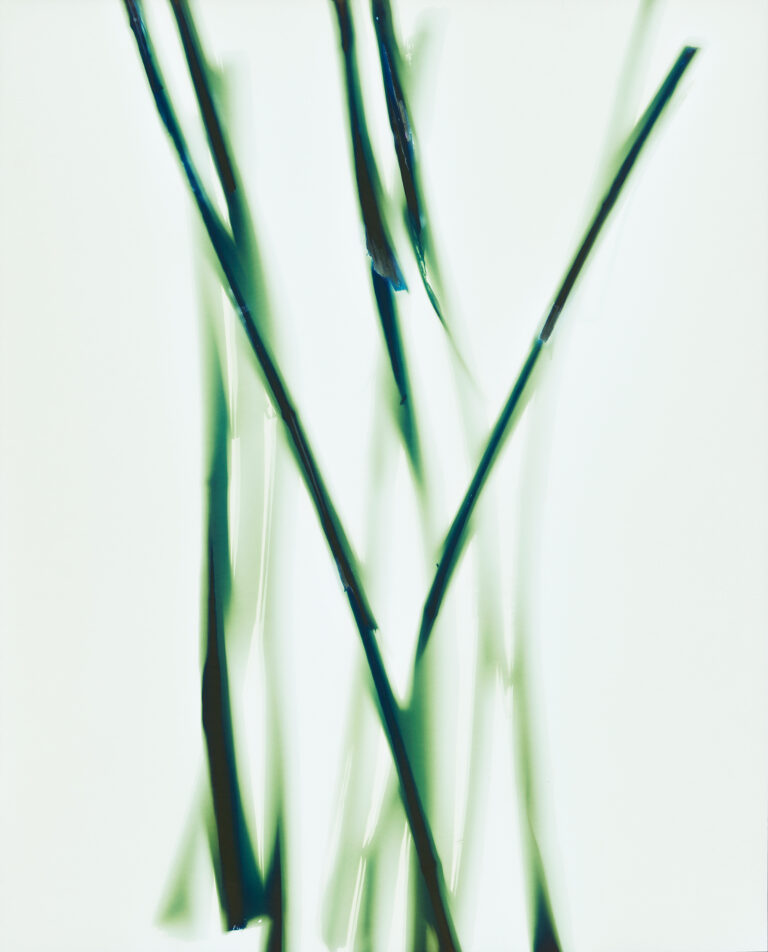
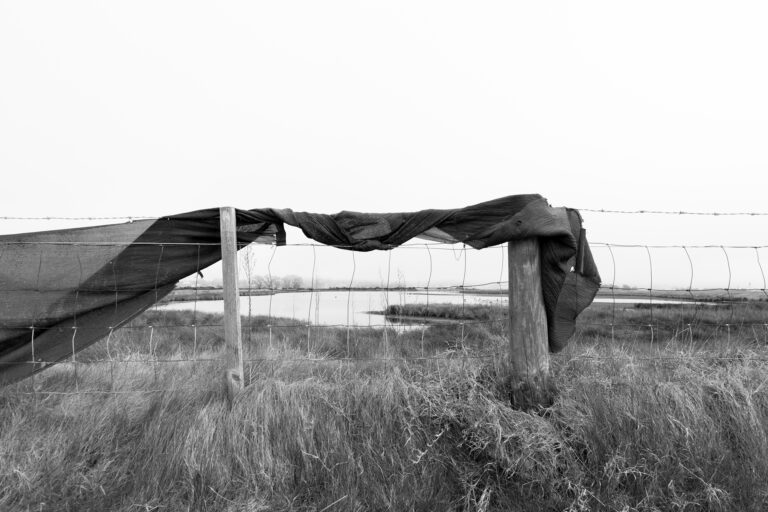
An Ephemeral State is a visual exploration of human–nature relationships through the mobility and spatial repositioning of plantation. It examines how foliage—whether cultivated or found in urban wilderness and beyond—is arranged, displayed, and experienced across landscapes and built environments.
The work explores a dialogue between two parts of the same body, drawing attention to and celebrating the beauty, ephemerality, and vitality of plant life through dual aesthetics. Unfixed lumen prints, reliant on light, mimic cycles of growth and decay, becoming quiet monuments to impermanence. Repurposed foliage from a local florist is framed as specimens, referencing Victorian botany and contemporary museology—bridging nature and archive, body and image.
Monochrome landscape photographs isolate specific points of focus, later colourised to enhance emotional depth and evoke historical resonance. Instead, becoming enduring traces, still and unchanged, whilst speaking to endurance beyond ephemerality.
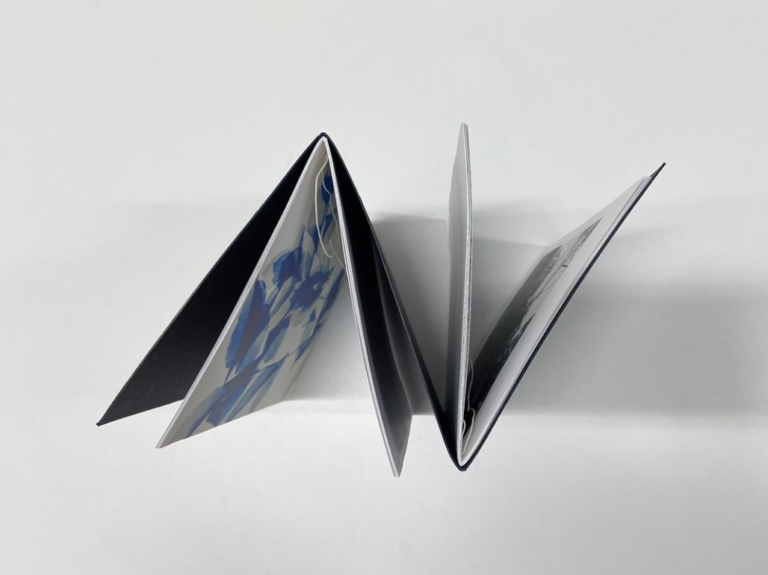
The lumens appear in dual publications, frames, and the book, while the landscape photographs exist only within its pages. Bound in a Dos Si Dos format, the photographs share a spine and a metaphorical soil, grounding the work. The two were deliberately designed to echo the spatial and temporal movement of flora, making the project both site-specific and mobile, while offering readers an interactive and tactile experience beyond distant observation.
The two aesthetic approaches coexist and embody the core tensions of the relationship being explored. It reveals multiple realities and temporalities, and offers a multi-sensory experience, highlighting the reciprocal relationship between plant matter and ourselves.

Isabel Harris
An Ephemeral State, 2025
Isabel Harris
An Ephemeral State, 2025

Isabel Harris
An Ephemeral State, 2025

Isabel Harris
An Ephemeral State, 2025

Isabel Harris
An Ephemeral State, 2025

Isabel Harris
An Ephemeral State, 2025
Isabel Harris
An Ephemeral State, 2025

Isabel Harris
An Ephemeral State, 2025

Isabel Harris
An Ephemeral State, 2025

Isabel Harris
An Ephemeral State, 2025

Isabel Harris
An Ephemeral State, 2025

Isabel Harris
An Ephemeral State, 2025

Isabel Harris
An Ephemeral State, 2025

Isabel Harris
An Ephemeral State, 2025
Isabel Harris
An Ephemeral State, 2025

Isabel Harris
An Ephemeral State, 2025
Joel Potter
por/trait, 2025
por/trait is a photographic series that asks if identity can be represented without showing any human form. The work began as an attempt to understand the limits of portraiture and the discomfort I’ve always felt with my own self-image, as well as a way to counteract the performance of a traditional portrait. Instead of photographing people directly, I looked to collections of objects, spaces, traits, and traces that live around them, and treating these as extensions of the self.
The series was shaped through cycles of photographing, reflecting, and editing. I used two categories of images: “worldbuilding” images that set the scene of the subject’s life, and “deeper connection” images that have emotion, atmosphere, and more interpretive contexts. Together, they form portraits that sit in between presence and absence.
Throughout the process, I realised that every choice I made, like the lens, framing, colour, and sequencing, was filtering the identity being shown. The portraits created friction between the subject’s world and my interpretation of it. This tension became the structure of the work rather than a flaw. por/trait proposes that identity can be felt in what people leave behind, what they hold close, and what remains after they move through a space. It offers a portrait formed through evidence instead of appearance.

Joel Potter
por/trait, 2025

Joel Potter
por/trait, 2025

Joel Potter
por/trait, 2025

Joel Potter
por/trait, 2025

Joel Potter
por/trait, 2025

Joel Potter
por/trait, 2025

Joel Potter
por/trait, 2025

Joel Potter
por/trait, 2025

Joel Potter
por/trait, 2025

Joel Potter
por/trait, 2025

Joel Potter
por/trait, 2025

Joel Potter
por/trait, 2025

Joel Potter
por/trait, 2025

Joel Potter
por/trait, 2025

Joel Potter
por/trait, 2025

Joel Potter
por/trait, 2025

Joel Potter
por/trait, 2025

Joel Potter
por/trait, 2025

Joel Potter
por/trait, 2025

Joel Potter
por/trait, 2025
Leila Edelstein
Humps and Wings, 2025
I return to the same sites and people compulsively. Over and over, the work revisits and recalls, driven by a curiosity with the mechanisms of memory, connection and genetics. This repetition is not an attempt to preserve, rather to agitate and reveal the ways memory slips, fractures, and re-forms. Personal, collective and inherited trauma settles in the body and the image. There is significance in the impossibility of my endeavours, in their failure, their unsayability, their laborious physicality. Cutting, doubling, piecing, glueing, taping and weaving, in a material sense the work is fragile and impermanent and its process allows me to grapple with the complexity of inherited, found and collected memory.

Leila Edelstein
Humps and Wings, 2025

Leila Edelstein
Humps and Wings, 2025

Leila Edelstein
Humps and Wings, 2025

Leila Edelstein
Humps and Wings, 2025

Leila Edelstein
Humps and Wings, 2025

Leila Edelstein
Humps and Wings, 2025

Leila Edelstein
Humps and Wings, 2025

Leila Edelstein
Humps and Wings, 2025

Leila Edelstein
Humps and Wings, 2025

Leila Edelstein
Humps and Wings, 2025

Leila Edelstein
Humps and Wings, 2025

Leila Edelstein
Humps and Wings, 2025

Leila Edelstein
Humps and Wings, 2025

Leila Edelstein
Humps and Wings, 2025

Leila Edelstein
Humps and Wings, 2025

Leila Edelstein
Humps and Wings, 2025

Leila Edelstein
Humps and Wings, 2025

Leila Edelstein
Humps and Wings, 2025

Leila Edelstein
Humps and Wings, 2025

Leila Edelstein
Humps and Wings, 2025
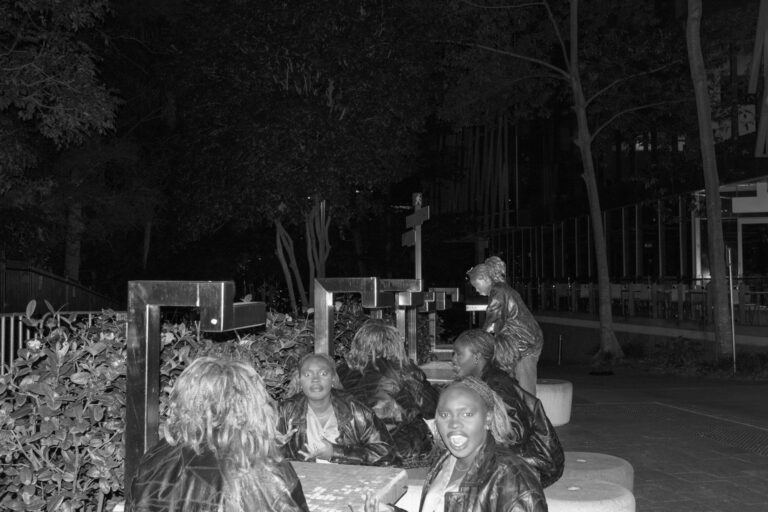
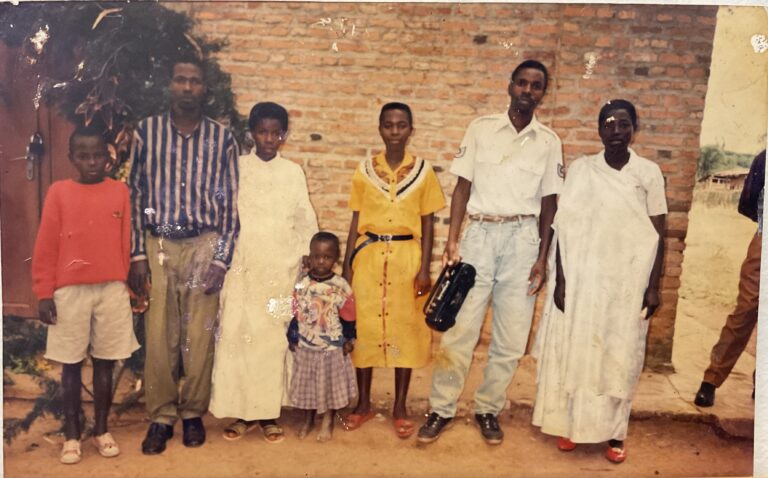
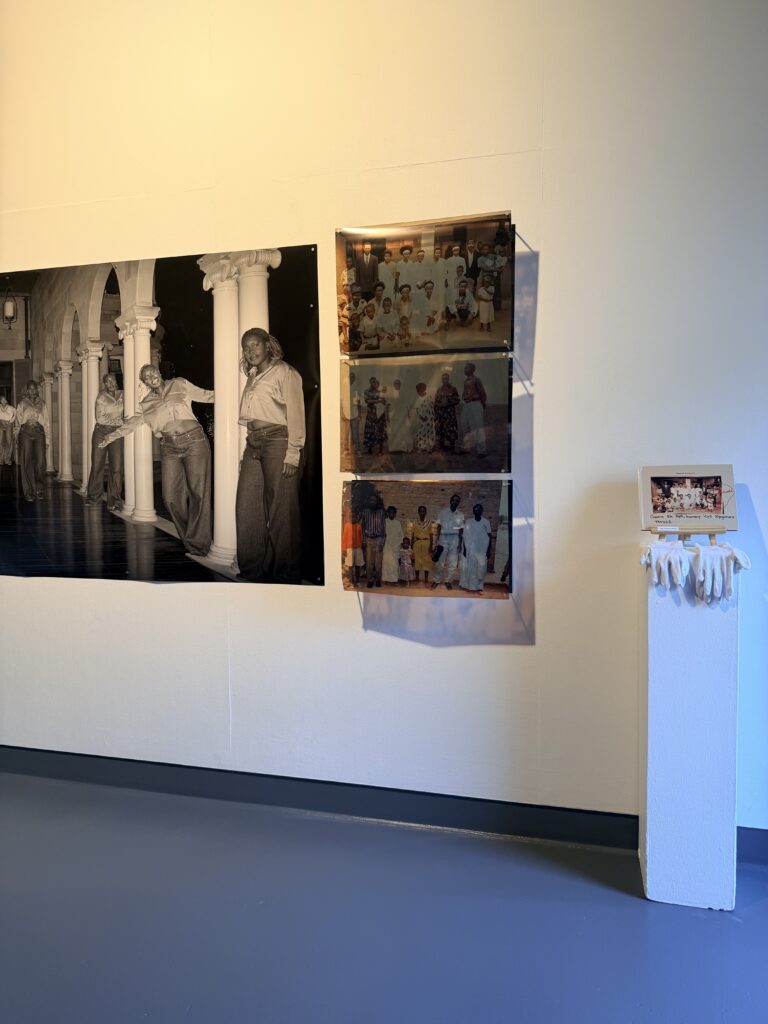
Martha Bizimana
I am all of them, 2025
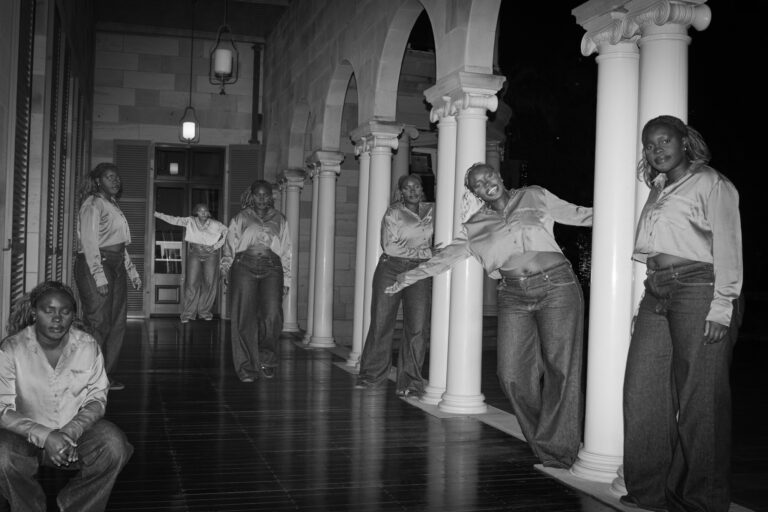
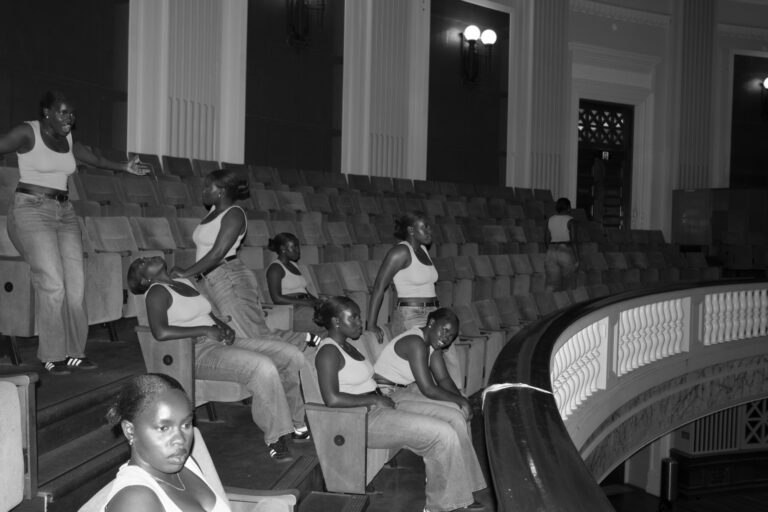
My work explores the layered experience of migration, memory, and identity, and how the body carries both the traces of ancestry and the negotiations of belonging in new landscapes. The repeated figures in my photographs speak to the multiplicity of self the many versions of who we are, who we have been, and who we are becoming. In these foreign lands, identity is not fixed but continuously reshaped. Yet within this process of becoming, we carry the DNA of those who came before us, the memory of their journeys folded into our own. Each step through these architectural spaces is an act of inhabiting history and forging a new one. The structures of the city, with their rigid lines and monumental presence, become stages upon which the body asserts its presence, holding space for ancestral echoes.
The work suggests that identity is both inherited and constructed carried like memory within the body, but also reconfigured by encounters with new places. To migrate is to live in this in-between space: at once foreign and familiar, fractured, and whole, haunted by what came before yet moving toward what is still unfolding. Through repetition and placement, I explore how the self persists across time, how memory inhabits the present, and how belonging emerges in the fold between past and future.
Martha Bizimana
I am all of them, 2025
Martha Bizimana
I am all of them, 2025
Martha Bizimana
I am all of them, 2025

Martha Bizimana
I am all of them, 2025

Martha Bizimana
I am all of them, 2025
Martha Bizimana
I am all of them, 2025
Martha Bizimana
I am all of them, 2025

Martha Bizimana
I am all of them, 2025
Matte Dixon
Suspiria (To Sigh) / Suspiria de Profoundis (Sighs from the Depths), 2025. Silver Nitrate Prints on Cotton Rag
Suspiria concerns itself with Sartre’s existential theory; that meaning is derived from a vacuum of nothingness. Only through phenomenological experience, can meaning be constructed. Through corporeality of the analogue, the work’s physicality refers to ontological affective viewing. The images arise from the void, deriving meaning from the reference to the relic and atmospheric tendencies of the analogue. Gothic, forlorn and oppressive imagery educes tacit sensations of the viewer’s own existential concerns. Suspiria surpasses traditional horrors of the known employing of recognisable motifs, serving as monoliths of human conditions to plunge the audience into total existential contemplation.

Matte Dixon
Suspiria (To Sigh) / Suspiria de Profoundis (Sighs from the Depths), 2025

Matte Dixon
Suspiria (To Sigh) / Suspiria de Profoundis (Sighs from the Depths), 2025

Matte Dixon
Suspiria (To Sigh) / Suspiria de Profoundis (Sighs from the Depths), 2025

Matte Dixon
Suspiria (To Sigh) / Suspiria de Profoundis (Sighs from the Depths), 2025

Matte Dixon
Suspiria (To Sigh) / Suspiria de Profoundis (Sighs from the Depths), 2025

Matte Dixon
Suspiria (To Sigh) / Suspiria de Profoundis (Sighs from the Depths), 2025

Matte Dixon
Suspiria (To Sigh) / Suspiria de Profoundis (Sighs from the Depths), 2025

Matte Dixon
Suspiria (To Sigh) / Suspiria de Profoundis (Sighs from the Depths), 2025

Matte Dixon
Suspiria (To Sigh) / Suspiria de Profoundis (Sighs from the Depths), 2025

Matte Dixon
Suspiria (To Sigh) / Suspiria de Profoundis (Sighs from the Depths), 2025

Matte Dixon
Suspiria (To Sigh) / Suspiria de Profoundis (Sighs from the Depths), 2025

Matte Dixon
Suspiria (To Sigh) / Suspiria de Profoundis (Sighs from the Depths), 2025
Sabrina Trombini
The Balanced Diet, 2025
I have created a series of still life images that explore balance, colour, and composition through the use of fruits and vegetables. By selecting produce with either complementary or harmonising colour palettes, I aim to explore the visual relationships between form, texture, and tone. This project brings together my love for creativity and food, giving me the chance to express both my technical and artistic sides. It’s also a way for me to challenge myself, step outside my comfort zone, and create a body of work that reflects my growth as an artist while building my professional portfolio.

Sabrina Trombini
The Balanced Diet, 2025

Sabrina Trombini
The Balanced Diet, 2025

Sabrina Trombini
The Balanced Diet, 2025

Sabrina Trombini
The Balanced Diet, 2025

Sabrina Trombini
The Balanced Diet, 2025

Sabrina Trombini
The Balanced Diet, 2025

Sabrina Trombini
The Balanced Diet, 2025

Sabrina Trombini
The Balanced Diet, 2025
Thomas Lord
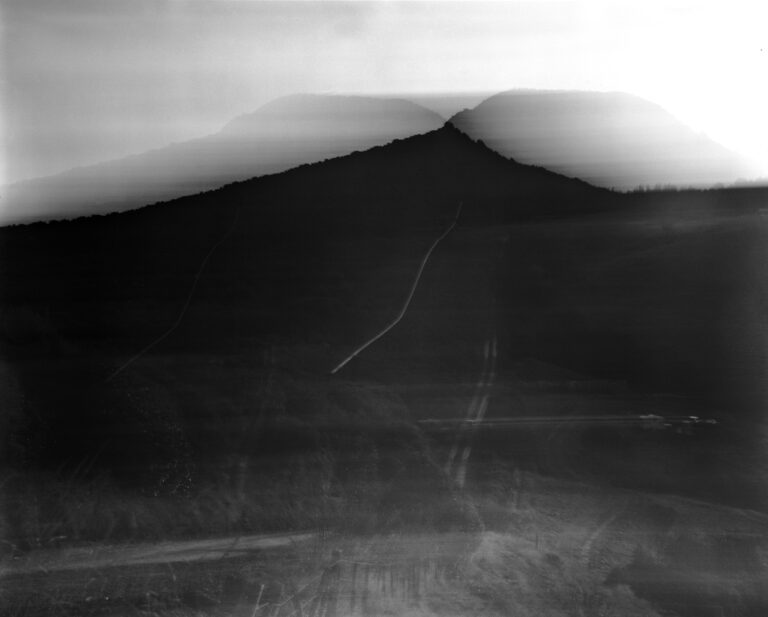
Second Nature, 2025
Second Nature traces the quiet relationships between Aotearoa and Japan through places, histories, and the different modes of time that shape them. The work brings together fog and forest at Hereweka, mountain portraits made in Yamanashi, gifted leaves from a Hiroshima survivor ginkgo, and new saplings grown in Dunedin from the same lineage. Alongside these, cameraless negatives altered by underground mycelial networks reveal a slower unseen duration.
These images are not captured moments but accumulations of time spent with places and materials. Large-format exposures, buried film, and long periods of waiting create photographs that unfold across botanical time, geological time, and the shifting temporality of weather and season. Each image is a trace of an extended encounter, an interaction shaped as much by listening as by looking.
In Second Nature, slowness becomes a way of forming relationships rather than recording them. The work follows a rhythm of walking, waiting, and accepting the moment when an image feels offered, like a gift. What emerges is a dialogue between landscapes, cultures, and temporal scales: an attempt to understand how a photograph can hold memory, resilience, and the delicate connection between two places shaped by distant yet intertwined histories.

Thomas Lord
Second Nature, 2025

Thomas Lord
Second Nature, 2025

Thomas Lord
Second Nature, 2025

Thomas Lord
Second Nature, 2025

Thomas Lord
Second Nature, 2025

Thomas Lord
Second Nature, 2025

Thomas Lord
Second Nature, 2025

Thomas Lord
Second Nature, 2025

Thomas Lord
Second Nature, 2025

Thomas Lord
Second Nature, 2025
Thomas Lord
Second Nature, 2025

Thomas Lord
Second Nature, 2025

Thomas Lord
Second Nature, 2025

Thomas Lord
Second Nature, 2025

Thomas Lord
Second Nature, 2025

Thomas Lord
Second Nature, 2025

Thomas Lord
Second Nature, 2025

Thomas Lord
Second Nature, 2025

Thomas Lord
Second Nature, 2025

Thomas Lord
Second Nature, 2025
Victoria Rowse
Detestable Decibels, 2025
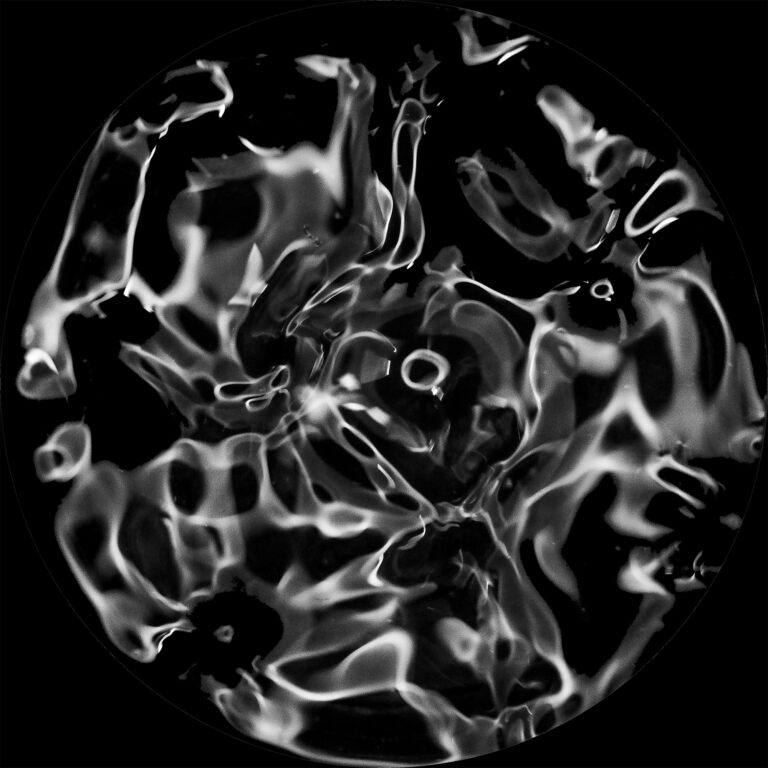
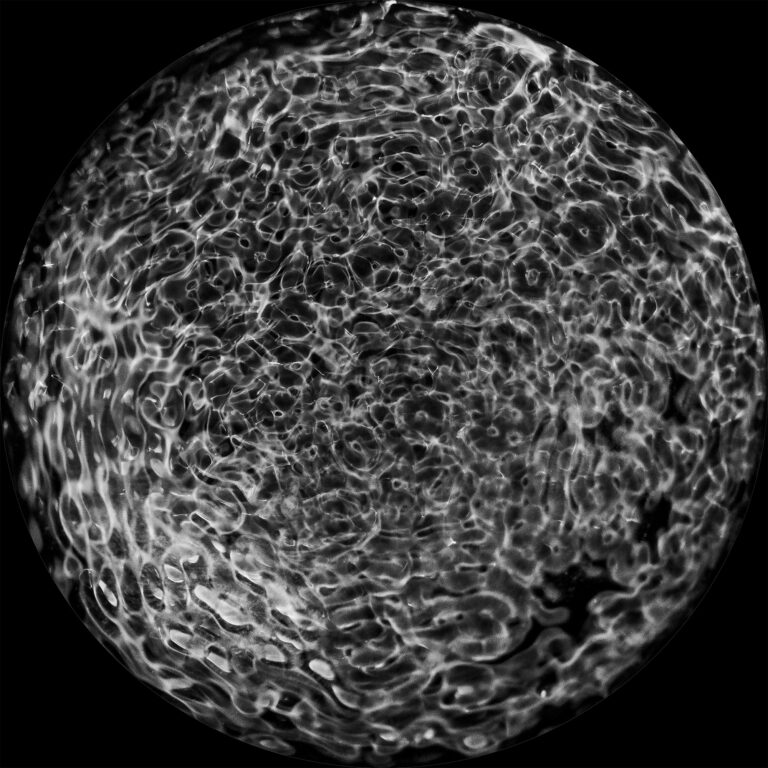
Detestable Decibels explores how photography can change our perception of negative sounds. It focuses on cymatics (the visualisation of sound waves) and specifically examines sounds that people find uncomfortable. Unlike typical cymatics projects that use calming sounds, this project delves into more distressing audio to reveal the beauty beneath. Through my research on sound waves and the psychology of negative sounds. One key point stood out: that the context in which a sound is heard influences how people perceive it, with sounds often being viewed more positively without context.
I used the list of the most unpleasant sounds from a web-based experiment by Trevor J. Cox, who investigated reactions to negative sounds. I tested the thirty-four sounds on different speakers to discover which worked best for cymatic patterns. I then narrowed down the thirty-four sounds to the final four sounds.
By presenting negative sounds visually without including the audio, Detestable Decibels challenges the audience to find beauty in the unpleasant. The combination of photography and the absence of sound ultimately transforms how people perceive these sounds.
References:
Stereo Babies by bone666138 — https://freesound.org/s/198848 / — License: Attribution 4.0
Fingernails on siding.wav by CGEffex — https://freesound.org/s/96224/ — License: Attribution 4.0
Metal_Gate_squeak_mono.aif by Suz_Soundcreations — https://freesound.org/s/192098/ — License: Attribution 4.0
Puke/Vomiting by Joao_de_Deus — https://freesound.org/s/330533/ — License: Attribution 4.0
Cox, Trevor J. “Scraping sounds and disgusting noises.” Applied Acoustics 69.12 (2008): 1195-1204.

Victoria Rowse
Babies Crying from the series Detestable Decibels, 2025

Victoria Rowse
Fingernails on a Chalkboard from the series Detestable Decibels, 2025
Victoria Rowse
Squeak from the series Detestable Decibels, 2025
Victoria Rowse
Vomiting from the series Detestable Decibels, 2025
Yao Tong
My Body Flows with Natural Red Paint, 2025
My Body Flows with Natural Red Paint is a 4K performative, experimental film installation explores female embodied experience through blood, which is often tied to taboos, trauma, shame and silence. This project aligns with Japanese artist Shigeko Kubota’s 1974 Video Poem, which offers a powerful feminist reworking of Descartes’ famous philosophical statement. She says: “Man thinks, ‘I think, therefore I am’, but a woman feels, ‘I bleed, therefore I am’.
What if emotions and sensations are also a form of knowledge? How might female embodied experience be understood through sensations, emotions, and associations? In this artwork, I use pomegranate juice instead of real blood. In traditional Chinese painting and wedding rites, the pomegranate is like a women’s womb with its numerous seeds symbolizing the blessing to have many children. Refer to ancient Greco-Roman and medieval medical texts, the pomegranate was paradoxically described as both a contraceptive and an aphrodisiac. This contradiction between preventing and encouraging conception further deepens its association with reproduction, desire, and death. Against this background, I propose that blood (symbolised by pomegranate juice) naturally flows within and is stored by the female body. It is not external, but interior and ordinary. A woman’s body is inherently connected to blood, in other words, to fertility, menstruation, desire, pain, and danger.

Yao Tong
My Body Flows with Natural Red Paint, 2025

Yao Tong
My Body Flows with Natural Red Paint, 2025

Yao Tong
My Body Flows with Natural Red Paint, 2025

Yao Tong
My Body Flows with Natural Red Paint, 2025

Yao Tong
My Body Flows with Natural Red Paint, 2025

Yao Tong
My Body Flows with Natural Red Paint, 2025

Yao Tong
My Body Flows with Natural Red Paint, 2025

Yao Tong
My Body Flows with Natural Red Paint, 2025

Yao Tong
My Body Flows with Natural Red Paint, 2025

Yao Tong
My Body Flows with Natural Red Paint, 2025

Yao Tong
My Body Flows with Natural Red Paint, 2025

Yao Tong
My Body Flows with Natural Red Paint, 2025

Yao Tong
My Body Flows with Natural Red Paint, 2025

Yao Tong
My Body Flows with Natural Red Paint, 2025

Yao Tong
My Body Flows with Natural Red Paint, 2025

Yao Tong
My Body Flows with Natural Red Paint, 2025

Yao Tong
My Body Flows with Natural Red Paint, 2025

Yao Tong
My Body Flows with Natural Red Paint, 2025

Yao Tong
My Body Flows with Natural Red Paint, 2025

Yao Tong
My Body Flows with Natural Red Paint, 2025
Yuhang Wang
Things that refuse to settle, 2025
Reflecting on the enduring imprint of Confucian conditioning, this project examines the tension between inherited habits and contemporary experience. The work functions as a material analysis of this cultural duality. Instax solarization is employed to disrupt images of daily objects, rendering familiar surfaces estranged to mirror internal displacement. Parallel to this, analog film is processed using Traditional Chinese Medicine (TCM) rinses—substances deeply rooted in childhood family memories. Much like the slow, uncertain nature of this traditional healing, the unpredictable results emerge from the collision of Western technology and personal history. Through these unstable processes, the medium visualizes the complexity of cultural negotiation, where chemical interference becomes evidence of a quiet resistance.

Yuhang Wang
Things that refuse to settle, 2025

Yuhang Wang
Things that refuse to settle, 2025

Yuhang Wang
Things that refuse to settle, 2025

Yuhang Wang
Things that refuse to settle, 2025

Yuhang Wang
Things that refuse to settle, 2025

Yuhang Wang
Things that refuse to settle, 2025

Yuhang Wang
Things that refuse to settle, 2025

Yuhang Wang
Things that refuse to settle, 2025

Yuhang Wang
Things that refuse to settle, 2025

Yuhang Wang
Things that refuse to settle, 2025

Yuhang Wang
Things that refuse to settle, 2025

Yuhang Wang
Things that refuse to settle, 2025

Yuhang Wang
Things that refuse to settle, 2025

Yuhang Wang
Things that refuse to settle, 2025
Yutong Chen
City Skin: Placing Traces, 2025
City Skin: Placing Traces is an expanded photographic project that examines the loss of urban vitality during rapid urbanisation, reactivating overlooked human traces in public spaces through audience interaction. Marks of wear, scratches, and stains quietly reveal everyday human life in urban spaces, yet such signs of life increasingly fade or disappear as cities become standardized.
To counter this erasure, each photograph is coated with temperature-sensitive ink, inviting viewers to touch the surface. Viewers’ body heat temporarily reveals hidden traces while creating their own marks on the images, folding audiences into the city’s evolving visual narrative.
Rooted in Yutong’s experience growing up in Shanghai—where rapid development continually reshaped living spaces and memories. This sense of disappearance forms the emotional and conceptual motion of the project.
Through this shifting cycle of presence and absence, City Skin: Placing Traces positions photography not as static images but as a living process that records, responds, and transforms through viewer participation.

Yutong Chen
City Skin: Placing Traces, 2025

Yutong Chen
City Skin: Placing Traces, 2025
